
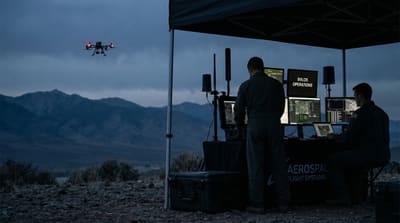
Beyond Visual Line of Sight (BVLOS) operations represent the next frontier for commercial drone applications, unlocking operational capabilities that were previously impossible under standard Part 107 regulations. However, BVLOS operations also introduce significant technical, operational, and regulatory complexities that operators must carefully navigate. This comprehensive guide examines the current state of BVLOS regulations, technology requirements, and practical considerations for commercial operators seeking to expand their operational envelope.
📘 The Part 108 BVLOS Readiness Playbook
Stop reading headlines. Start preparing. 200+ page operational guide by a former Insitu/Boeing ScanEagle Commercial Chief Test Pilot and former UAS DPE for Insitu ScanEagle pilots and instructors — covering every aspect of Part 108 compliance preparation.
12 chapters · 6 appendices · Editable templates, checklists & 12-month action plan · Instant PDF download
Get the Playbook — $79Understanding BVLOS: Definition and Significance
Beyond Visual Line of Sight operations occur when the remote pilot cannot maintain visual contact with the unmanned aircraft using natural vision alone. This operational paradigm fundamentally changes the risk profile and regulatory requirements for drone operations, requiring sophisticated technology solutions and operational procedures to maintain equivalent levels of safety.
The significance of BVLOS operations cannot be overstated—they enable:
- Extended Range Operations: Missions covering hundreds of miles rather than the visual range limitation of approximately 0.5 miles
- Large Area Coverage: Surveillance, mapping, and inspection of vast territories impossible under VLOS constraints
- Point-to-Point Transportation: Cargo delivery and logistics operations across meaningful distances
- Infrastructure Monitoring: Inspection of linear assets like pipelines, transmission lines, and transportation corridors
- Emergency Response: Search and rescue operations over extended areas and disaster response scenarios
Current Regulatory Framework
BVLOS operations under Part 107 require a waiver from the visual line of sight requirement specified in 14 CFR 107.31. The FAA evaluates BVLOS waiver applications against stringent safety criteria, resulting in approval rates significantly lower than other waiver categories.
Waiver Application Requirements
Successful BVLOS waiver applications must demonstrate equivalent level of safety through comprehensive documentation addressing:
Operational Risk Assessment: Detailed analysis of airspace, terrain, population density, weather considerations, and emergency response capabilities along the proposed flight path.
Detect and Avoid Capabilities: Technical specifications and performance data for systems capable of detecting and avoiding other aircraft, obstacles, and airspace restrictions.
Command and Control Link Analysis: Documentation of communication system reliability, redundancy, and performance under various operational conditions.
Remote Pilot Procedures: Comprehensive operating procedures addressing normal operations, emergency responses, and lost link scenarios.
Crew Resource Management: For complex operations, plans for multiple crew members including visual observers, technical specialists, and operational coordinators.
Current Approval Trends
FAA data through 2025 shows BVLOS approval rates varying significantly by operational category:
- Linear Infrastructure Inspection: 52% approval rate for pipeline and transmission line operations
- Agricultural Operations: 41% approval rate for crop monitoring and treatment applications
- Emergency Response: 67% approval rate for public safety and disaster response missions
- Cargo Delivery: 28% approval rate for commercial package delivery operations, with recent safety incidents like Amazon's Texas crashes highlighting the importance of robust safety systems
- Surveillance Operations: 34% approval rate for security and monitoring applications
Technology Requirements and Solutions
BVLOS operations demand sophisticated technology solutions that exceed the capabilities required for VLOS operations. Three critical technology areas form the foundation of successful BVLOS implementations.
Detect and Avoid (DAA) Systems
DAA systems serve as the technological equivalent of the "see and avoid" responsibility that visual observers provide in VLOS operations. Current DAA implementations utilize multiple sensor technologies:
Radar Systems: Primary surveillance radar provides reliable detection of aircraft within operational airspace. Modern systems can detect aircraft at ranges exceeding 5 nautical miles while distinguishing between aircraft and terrain features.
Electro-Optical Systems: High-resolution cameras with advanced image processing provide visual aircraft detection and classification capabilities. These systems excel in good weather conditions but may have limited effectiveness in reduced visibility.
ADS-B Receivers: Automatic Dependent Surveillance-Broadcast receivers enable detection of transponder-equipped aircraft, providing position, velocity, and identification data for participating aircraft.
Traffic Information Systems: Integration with existing air traffic control systems provides enhanced situational awareness and coordination with manned aviation operations.
Command and Control Links
Reliable communication between the remote pilot and aircraft becomes critical for BVLOS operations, where physical proximity cannot compensate for communication failures.
Primary Communication Links: High-reliability radio systems capable of maintaining consistent communication across the operational range. Current systems typically utilize either dedicated radio frequencies or cellular/satellite communication networks.
Backup Communication Systems: Redundant communication pathways ensure continued aircraft control in the event of primary link failure. Successful BVLOS operations often employ multiple independent communication methods.
Lost Link Procedures: Automated systems that execute predetermined flight profiles in the event of communication loss, ensuring safe aircraft recovery without continued pilot input.
Remote ID and Tracking
Enhanced identification and tracking capabilities beyond standard Remote ID requirements often prove necessary for BVLOS approvals.
Continuous Position Reporting: Real-time aircraft position data transmitted to air traffic control and other relevant authorities throughout the mission.
Enhanced Identification: Aircraft identification systems that provide operator information, mission details, and emergency contact procedures to relevant authorities.
Flight Monitoring Systems: Ground-based tracking stations that provide independent verification of aircraft position and status throughout BVLOS missions. Advanced coordination systems enable complex operations like large-scale swarm operations demonstrated internationally.
Operational Considerations
Successful BVLOS operations require comprehensive planning and execution procedures that address the unique challenges of extended-range missions.
Airspace Analysis and Coordination
Airspace Classification Review: Detailed analysis of airspace classifications, restrictions, and traffic patterns along the proposed flight path. Operations in controlled airspace require additional coordination and may necessitate specific operational agreements.
Air Traffic Control Coordination: For operations in or near controlled airspace, coordination with ATC ensures proper traffic separation and awareness of unmanned aircraft operations.
NOTAM Procedures: Notice to Airmen publication ensures other aircraft operators are aware of BVLOS operations in the area, enabling appropriate traffic avoidance.
Weather and Environmental Factors
Extended-range operations encounter diverse weather conditions that may vary significantly across the operational area.
Weather Monitoring: Real-time weather observation and forecasting systems provide current and predicted conditions along the flight path. This data enables informed go/no-go decisions and route modifications.
Wind Analysis: Detailed wind pattern analysis ensures adequate fuel reserves and performance margins throughout the mission, particularly important for longer-duration flights.
Visibility Requirements: Even though the aircraft operates beyond visual range, weather conditions at takeoff, landing, and critical waypoints must support safe operations.
Emergency Response Planning
BVLOS operations require comprehensive emergency response procedures addressing scenarios unique to extended-range missions.
Forced Landing Procedures: Predetermined emergency landing sites along the flight path with associated approach and landing procedures for various emergency scenarios.
Search and Recovery: Procedures for locating and recovering aircraft following emergency landings or communication loss incidents in remote areas.
Coordination with Emergency Services: Established communication procedures with relevant emergency services along the flight path, enabling rapid response to incidents.
Case Studies: Successful BVLOS Operations
Pipeline Inspection Operations
One of the most successful BVLOS applications involves pipeline inspection for energy companies. These operations demonstrate how focused mission requirements can align with regulatory approval criteria.
Mission Profile: Linear flights following established pipeline corridors, typically 50-200 miles in length, conducted in rural areas with minimal air traffic.
Technology Implementation: Redundant radio communication systems, radar-based DAA, and emergency landing sites at regular intervals along the pipeline route.
Operational Results: 95% mission completion rate, zero aviation safety incidents, and 60% cost reduction compared to manned aircraft inspection methods.
Agricultural Monitoring and Treatment
Large-scale agricultural operations have successfully implemented BVLOS operations for crop monitoring and treatment applications across extensive farm properties.
Mission Profile: Area operations covering 2,000-10,000 acres, typically in rural locations with established agricultural aviation operations.
Technology Implementation: Cellular-based command and control links, ADS-B monitoring, and coordination with local airports and agricultural aviation operators.
Operational Results: 40% improvement in coverage efficiency, enhanced crop monitoring frequency, and reduced operational costs compared to manned agricultural aviation.
Emergency Response and Public Safety
Public safety agencies have achieved notable success with BVLOS operations for search and rescue and disaster response applications.
Mission Profile: Search patterns covering large areas during emergency response operations, typically coordinated with other emergency response assets.
Technology Implementation: Integration with existing emergency communication systems, thermal imaging capabilities, and real-time data transmission to command centers.
Operational Results: Significant improvement in search area coverage, reduced response times, and enhanced situational awareness for incident commanders.
Common Challenges and Solutions
Technical Challenges
Communication Reliability: Maintaining consistent communication over extended ranges in various terrain and weather conditions requires robust system design and redundancy planning.
DAA System Performance: Current detect and avoid technologies have limitations in certain weather conditions and may generate false alarms that complicate operations.
Integration Complexity: Coordinating multiple technology systems while maintaining operational simplicity requires careful system architecture and extensive testing.
Regulatory Challenges
Waiver Complexity: BVLOS waiver applications require extensive documentation and technical analysis, often necessitating professional regulatory assistance.
Operational Restrictions: Approved waivers often include operational limitations that may constrain mission effectiveness or require operational modifications.
Renewal and Modification Procedures: Changes to approved operations may require waiver modifications, adding complexity to operational planning.
Practical Solutions
Phased Implementation: Beginning with limited BVLOS operations and gradually expanding capabilities as experience and regulatory confidence develop.
Technology Partnerships: Collaborating with technology providers who specialize in BVLOS systems rather than developing capabilities internally.
Regulatory Consultation: Engaging aviation attorneys and regulatory specialists early in the planning process to ensure compliance and maximize approval probability. UAVHQ's consulting team offers expert guidance on BVLOS waiver applications and regulatory strategy.
Future Developments and Opportunities
Regulatory Evolution
The FAA has signaled intent to streamline BVLOS approvals through the upcoming Part 108 regulatory framework, potentially reducing the waiver burden for routine operations.
Standard Scenarios: Development of pre-approved operational scenarios for common BVLOS applications may eliminate the need for individual waivers in specific circumstances.
Performance Standards: Industry standards for DAA systems and operational procedures may provide clear compliance pathways for BVLOS operations.
Air Traffic Integration: Enhanced integration with air traffic control systems may enable more routine BVLOS operations in controlled airspace.
Technology Advances
Emerging technologies promise to address current limitations and enable new operational capabilities.
Artificial Intelligence: AI-powered DAA systems may provide more reliable aircraft detection and collision avoidance capabilities while reducing false alarm rates.
Satellite Communications: Advanced satellite communication systems may provide global coverage for BVLOS operations, eliminating geographic limitations of terrestrial systems.
Autonomous Systems: Increased automation may reduce pilot workload and improve operational reliability for complex BVLOS missions.
Recommendations for Commercial Operators
Getting Started with BVLOS
Build VLOS Experience: Establish a strong track record with visual operations, including relevant waiver categories, before pursuing BVLOS approvals.
Start Simple: Begin with straightforward BVLOS applications (such as linear infrastructure inspection) rather than complex missions requiring advanced coordination.
Invest in Training: BVLOS operations require enhanced pilot skills and system knowledge beyond standard Part 107 training.
Document Everything: Comprehensive documentation of operational procedures, safety protocols, and incident management supports waiver applications and regulatory confidence. Our BVLOS compliance checklist covers every item you need to address.
Technology Investment Strategy
Scalable Systems: Select technology solutions that can support initial operations while providing upgrade pathways for expanded capabilities.
Proven Solutions: Prioritize established technology providers with demonstrated BVLOS implementation success over experimental systems.
Integration Planning: Consider how BVLOS technology investments integrate with existing operational systems and workflows.
Conclusion
BVLOS operations represent both the greatest opportunity and the greatest challenge in commercial drone aviation. The operational capabilities enabled by BVLOS operations—extended range, large area coverage, and point-to-point transportation—unlock applications that can transform industries and create substantial competitive advantages.
However, successful BVLOS operations require significant investment in technology, training, and regulatory compliance. Organizations considering BVLOS operations should approach them as professional aviation activities requiring the same level of planning, investment, and operational discipline as manned aviation operations.
The regulatory environment continues to evolve toward greater accommodation of BVLOS operations, but current requirements remain stringent. Operators who invest in comprehensive BVLOS capabilities now will be positioned to capitalize on future regulatory evolution and expanded operational opportunities.
Most importantly, BVLOS operations must be approached with appropriate respect for their complexity and risk profile. The technology exists to conduct these operations safely, but only when implemented with proper planning, training, and operational discipline.
Organizations considering BVLOS operations should consult with qualified aviation professionals and regulatory specialists before developing implementation plans. This guide provides general information and should not be considered regulatory advice or operational guidance for specific applications.
Share this guide:
Related Articles
The State of FAA Part 107 Waivers in 2026
Comprehensive analysis of Part 107 waiver landscape and approval trends.
5 Commercial Drone Applications Transforming Industries
Analysis of commercial applications driving industry growth and ROI.
📺 Watch the Video Briefing
Get expert video analysis on this topic and more on the UAVHQ YouTube channel.
🚁 Stay Ahead of the Drone Industry
Expert analysis on FAA regulations, commercial operations, and emerging technology — delivered to your inbox.
Subscribe
Consulting Intake Paused
UAVHQ is not currently accepting new consulting clients. Existing commitments remain supported; select time-sensitive safety or regulatory inquiries may be reviewed as availability allows.
Sponsored by
Your Brand Here
Reach drone professionals, commercial operators, and aviation decision-makers.
📺 Watch the Video Briefing
Get expert video analysis on this topic and more on the UAVHQ YouTube channel.
🚁 Stay Ahead of the Drone Industry
Expert analysis on FAA regulations, commercial operations, and emerging technology — delivered to your inbox.
Subscribe
Sponsored by
Your Brand Here
Reach drone professionals, commercial operators, and aviation decision-makers.
UAVHQ
Drone industry intelligence and professional UAV consulting from Wesley Alexander — Senior Test Pilot with 25+ years of aviation leadership.
Explore
Connect
© 2026 UAVHQ. All rights reserved. · Privacy Policy